Terrarium workshops fuse nature with creativity. They offer a miniature world you can build and care for, right on your desk or shelf. In Singapore’s climate, they’re especially popular for homes, offices and team events. EPIC Workshops weaves these tiny landscapes into a broader creative journey, pairing terrarium making with our art jamming experiences for a well-roundedSingapore-based experience.
In this guide, you’ll find start to finish advice on plants, containers and finishing touches. It’s designed for beginners and teams alike with practical tips you can apply in any workshop setting. A terrarium workshop in Singapore is a guided, hands-on session where participants learn to select suitable plants, containers and accessories to create and care for miniature glass ecosystems.
TL;DR
- Choose open versus closed terrarium types based on Singapore’s climate and maintenance preferences.
- Start with beginner friendly plants and container shapes that fit your space.
- Understand drainage layers, soil mixes and decorative accents to boost success and looks.
- Pick a workshop format that fits your group and consider cross selling with EPIC’s art jamming experiences.
- Aftercare: simple watering and light guidelines help terrariums last longer and stay appealing.
Why terrarium workshops are popular in Singapore (and how EPIC Workshops fits in)
Quick context: miniature ecosystems are a visual, low-maintenance craft for homes, offices, and events. They’re compact, quiet and highly adaptable to urban spaces. Freshness note: December 2025 trends show corporate wellness, family friendly formats and IG worthy setups rising fast in Singapore.
EPIC Workshops’ creative ecosystem adds a soft, complementary angle. Our offerings in art jamming, candles and leather pair well with terrarium projects for teams, families and individuals. This cross-pollination helps participants explore color, texture and mood in one visit.
1-sentence topic definition: A terrarium workshop in Singapore is a guided, hands-on session where participants learn to select suitable plants, containers and accessories to create and care for miniature glass ecosystems.
Terrarium Types in Singapore: Open vs Closed
Terrariums come in two main styles. Each suits different climates, plant needs, and maintenance levels.
Open terrarium
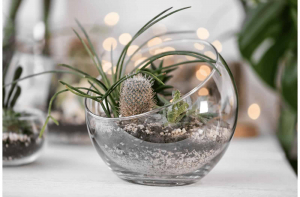
- Best plants: succulents, cacti, air plants.
- Light: bright, indirect light.
- Maintenance: moderate; careful watering required.
Closed terrarium
- Best plants: moss, ferns, fittonia.
- Light: bright, indirect light avoids direct sun.
- Maintenance: lower watering after setup; self-watering tendencies.
Practical takeaway: Match container type to climate and participant comfort. For Singapore’s humidity many beginners start with closed systems to minimize watering mistakes, then graduate to open designs as confidence grows.
Choosing Plants: Starter options and beginner guidelines
Start with easy, forgiving plants and grow from there. Closed-terrarium starters emphasize moisture-loving species and open terrarium starters favor drought tolerant greens.
Closed-terrarium starters
- Low-maintenance options like mosses and small ferns.
- Moisture tolerant plants thrive in closed ecosystems.
Open-terrarium starters
- Soft, drought tolerant plants such as small succulents.
- Air plants can fit spaces with limited soil needs.
Common pitfalls
- Overcrowding reduces airflow and increases mold risk.
- Mixing incompatible plants leads to poor growth.
Plant checklist: size, growth rate, humidity tolerance and light needs aligned to container type.
Pairing tips: use 1–2 plants for small jars, add texture with a second leafy variety for larger containers.
Picking Containers: Shape, Size, and Design Considerations
- Glass jars and bottles
- Fishbowl-style containers
- Geometric terrarium frames
- Hanging terrariums
Decision guide: consider drainage needs (drainage layer vs holes) and accessibility for planting and maintenance. Container shape should match your space—desktop, shelf, or wall display.
Visual tips: choose shapes that fit your space and style the same way you pick art for a room.
Terrarium Layers, Substrates, and Accessories
- Base drainage layer (pebbles)
- Activated charcoal for freshness
- Potting mix or cactus mix depending on plants
- Top decorative layer (moss, sand, stones)
- Accessories: mini figurines, tiny pathways, moss balls
- External accents like fairy lights can go outside the container for safety
Design prompts: minimalist, forest vibe or whimsical micro landscape for kids.
Design Tips: Aesthetics and themes
Choose a theme that feels intentional. Thematic designs pair well with an art jamming mindset. Art jamming Singapore is a natural companion offering for a full day of creativity.
- Minimalist: clean lines, limited palette.
- Forest trail: moss, ferns, tiny figurines.
- Whimsical world: colorful sand accents and playful accents.
Linking terrarium themes to art jamming motifs helps teams and families see design as a cohesive experience.
Care & Maintenance: How to keep terrariums thriving
- Open vs closed care: watering frequency differs; avoid overwatering.
- Light exposure and temperature matter in Singapore’s climate.
- Watch for condensation, mould, and minor quick fixes if needed.
Do / Don’t: do water when the soil dries; don’t leave containers in direct sun.
Seasonal notes: humid conditions mean occasional misting and airflow checks help prevent fungal growth.
How to Choose the Right Terrarium Workshop in Singapore
- Location proximity to Orchard, Somerset, and CBD areas
- Price ranges and what’s included (container, plants, materials)
- Group format: corporate, families, kids, or virtual kits
- Duration: 1.5–2 hours is common
Budget wisely by comparing inclusions, instructor guidance, and after-workshop support. Look for clear outcomes and flexible formats to suit your group.
Real-Life Use Case / Scenarios
Corporate teams can enjoy a terrarium plus an optional art jamming add-on for a complete session. Families get a kid-friendly setup with safe, open containers. A quick, IG-worthy couple’s outing near Orchard/Somerset pairs terrariums with a cafe stop.
EPIC Workshops can tailor experiences to each scenario, keeping the content brand-aligned and accessible.
EPIC Workshops Positioning & Soft CTAs
EPIC’s workshop ecosystem supports a range of creative activities, including terrarium building and art jamming. Soft links to related experiences help visitors discover cross-sell options.
Explore art jamming Singapore and consider formats for corporate, family or kids programs. Our instructors make beginner-friendly guidance a priority.
Real-World Tutorials: Mini How-To blocks
Building Your First Terrarium
- Materials: container, small plants, soil mix, pebbles, decorative elements.
- Step 1: choose open or closed type based on space and climate.
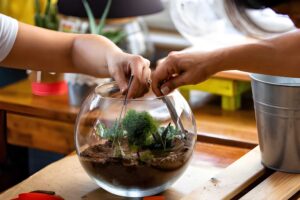
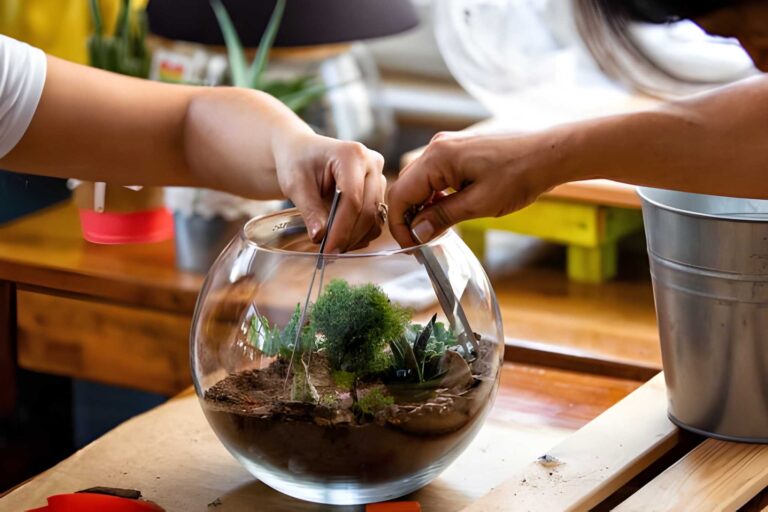
- Step 2: layer base drainage, then charcoal then soil.
- Step 3: place plants thoughtfully and avoid crowding.
- Step 4: add finishing touches and set care rules.
Closing: Freshness cue and brand synergy
December 2025 trends show Singaporean audiences seeking hands on shareable experiences. Terrarium workshops fit this demand and pair well with EPIC’s broader creative offerings. Explore our other experiences, including art jamming, candles and leather to craft a connected Singapore based creative journey.
FAQ
What plants are best for closed terrariums?
Moisture loving mosses and ferns work well and stay compact.
Can succulents go in a closed terrarium?
Usually not ideal; they prefer drier conditions.
How often should I water an open terrarium?
Water when the soil dries avoids soggy soil.
Do terrariums require drainage holes?
Open designs don’t need them, closed systems rely on layering.
Is a terrarium workshop worth it compared with other crafts like art jamming?
Yes, it combines nature with creativity and a tangible keepsake.
How do I prevent mould and condensation?
Ventilate, avoid overwatering and ensure good airflow.